Cultivating Harmony: Garden Outdoor Living with Statues, Plant Protection, and Holiday Decor
A garden is more than a patch of soil—it is an outdoor sanctuary where nature and personal style meet. Whether you are designing a quiet corner for morning coffee, guarding delicate blooms from hungry visitors, or transforming your patio for festive celebrations, the right combination of garden outdoor elements, garden statues, plant protection, and holiday decor can turn any space into a living work of art. This guide explores how to blend these four pillars into a cohesive, beautiful, and resilient landscape.
Garden Outdoor Foundations: Layout, Comfort, and Flow
Before placing a single statue or string of lights, consider the bones of your outdoor space. A successful garden outdoor design balances functionality with beauty. Start by mapping sunlight and shadow patterns throughout the day—this will dictate where seating areas, plant beds, and decorative elements belong. Create clear pathways using gravel, flagstone, or mulch to guide visitors through the garden without compacting soil around roots.
Comfort is key. Invest in weather-resistant furniture that invites lingering: a wooden bench under a pergola, a hammock between two sturdy trees, or a bistro set on a small patio. Add dimension with layered plantings—tall ornamental grasses for movement, mid-height shrubs for structure, and low groundcovers for texture. Finally, incorporate lighting for evening enjoyment. Solar path lights, lanterns, and subtle uplighting on trees extend your garden’s usability well into the night.
Garden Statues: Sculptural Focal Points That Tell a Story
Garden statues bring personality and artistic depth to any outdoor setting. From classical Greek figures to whimsical animal sculptures, these pieces act as visual anchors that draw the eye and spark conversation. When selecting a statue, consider scale first: a small fairy figure can get lost in a large lawn, while an oversized Buddha may overwhelm a tiny courtyard. As a rule of thumb, the statue’s height should be one-third to one-half the height of the surrounding plants or architectural features.
“A garden statue is not just decoration—it is a silent companion that grounds the landscape and gives it a soul.”
Material matters for longevity. Bronze and stone statues age gracefully, developing a patina that adds character. Resin and concrete are more affordable but may crack in extreme weather; choose frost-resistant varieties if you live in a cold climate. Place statues where they can be appreciated from multiple angles—at the end of a path, beside a pond, or nestled among ferns. Group small statues in odd numbers for a natural, collected look, and always anchor them on a stable base to prevent tipping.
Plant Protection: Guarding Your Green Haven
Nothing is more frustrating than watching weeks of growth disappear overnight. Plant protection is both a practical and an aesthetic pursuit. Start with physical barriers: row covers for seedlings, copper tape around pots to deter slugs, and netting over berry bushes to keep birds at bay. For deer and rabbits, install a fence at least six feet tall or use repellent sprays re-applied after rain.
Healthy plants defend themselves better. Improve soil with compost, water deeply but infrequently to encourage strong roots, and practice crop rotation to disrupt pest cycles. Companion planting is a powerful ally—marigolds repel nematodes, lavender deters aphids, and nasturtiums act as a trap crop for caterpillars. For winter protection, wrap tender shrubs in burlap, mulch perennials heavily after the first frost, and move potted plants to a sheltered spot. A simple cold frame or cloche can extend your growing season by weeks.
Quick Tip: Inspect plants weekly. Early detection of pests or disease—yellowing leaves, sticky residue, or chewed edges—allows for organic interventions like neem oil or insecticidal soap before infestations spiral out of control.
Holiday Decor: Seasonal Magic for Every Celebration
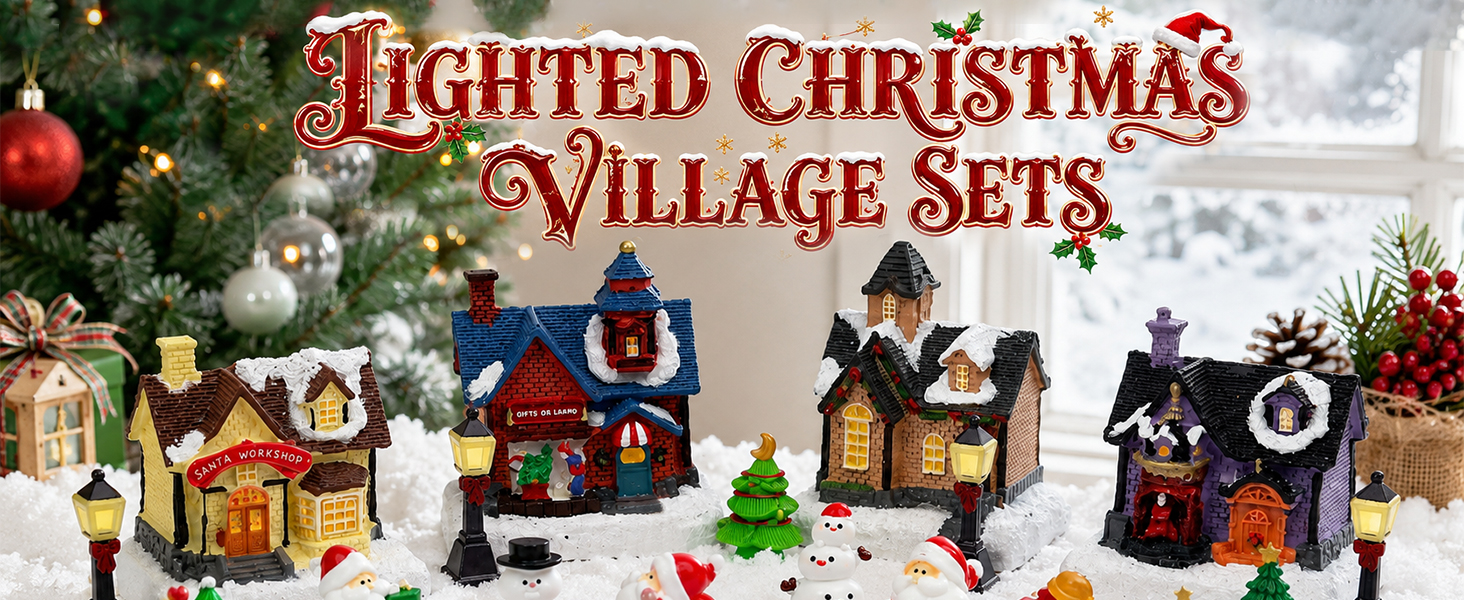
Holiday decor transforms your garden into a festive wonderland, but it should harmonize with your existing outdoor design rather than fight it. For winter holidays, consider a theme: rustic woodland (pinecones, burlap ribbons, wooden reindeer), elegant frost (white lights, silver ornaments, ice lanterns), or classic red-and-green. Wrap trees and pergolas with warm white LED lights—they are energy-efficient and safer than incandescent bulbs. Hang weatherproof wreaths on gates and doors, and fill urns with evergreen branches, holly, and birch logs.
For summer celebrations, use solar-powered string lights, lanterns with citronella candles, and patriotic or floral bunting. Thanksgiving calls for harvest-themed decor: pumpkins, cornstalks, and a grapevine wreath adorned with autumn leaves. Always secure decorations against wind—use stakes for inflatables, zip ties for garlands, and weighted bases for statues and planters that double as holiday displays. After the season, store decor in labeled, waterproof bins to extend its life and make next year’s setup effortless.
Final Thoughts: Whether you are curating a collection of garden statues, fortifying your beds against winter’s chill, or draping your pergola in twinkling lights, remember that the best outdoor spaces evolve slowly. Observe how light moves, how plants grow, and how you actually use your garden. Layer in protection, art, and seasonal joy one step at a time—and you will create an outdoor sanctuary that delights through every season.