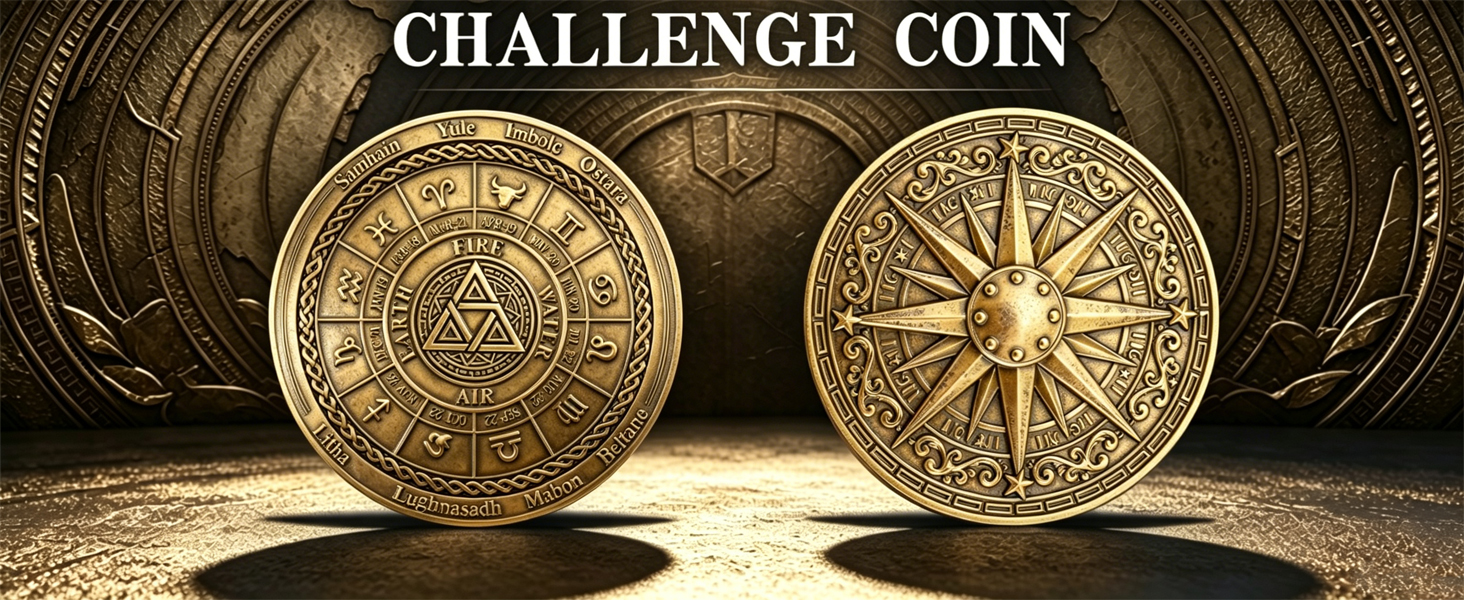
The Complete Guide to Collectible Coins, Challenge Coins, and Sobriety Coins
Coins are small, portable, and often overlooked—yet they carry stories. Some are sought after for their age, rarity, and minting errors. Others are created to honor service, mark a milestone, or celebrate recovery. Whether you are drawn to collectible coins, challenge coins, or sobriety coins, each category opens a different door into history, belonging, and personal transformation.
Collectible Coins: More Than Money
Collectible coins, also called numismatic coins, are valued for much more than their face value. A coin may be rare because only a few were minted, because most were melted down, or because a production error made it unique. Collectors often focus on a specific country, era, denomination, or theme. Some chase complete sets, while others hunt for a single “key date” that completes a collection.
What Makes a Coin Collectible?
Several factors drive desirability: rarity, condition, historical significance, and market demand. A coin with a low mintage may still be affordable if few people want it. A common coin in exceptional condition, however, can command surprising prices. Grading services evaluate coins on a scale from poor to mint state, and their labels help buyers compare quality.
“The best collection is not always the most expensive one. It is the one that tells a story you want to keep telling.”
Challenge Coins: A Symbol of Belonging
Challenge coins are tokens of identity, often associated with military units, police departments, fire crews, and private organizations. They are usually larger than a standard coin and feature a logo, motto, or emblem. The tradition is simple: carry your coin, and if challenged, you must produce it. If you cannot, you may owe a drink or another small penalty. If you can, the challenger pays.
Origins and Military Tradition
Stories about the first challenge coin vary. One popular legend involves a World War I pilot who carried a bronze medallion in a leather pouch. After being shot down and captured, he escaped and was later recognized by his coin. Another version ties the practice to unit cohesion and morale. Regardless of the exact origin, the coin became a tangible way to say, “I belong to this group.”
Modern Uses
Today, challenge coins are commissioned for retirements, deployments, conferences, charity events, and corporate milestones. They can be made from brass, nickel, copper, or silver, and finished with enamel, antique plating, or edge cuts. A well-designed coin is both a keepsake and a conversation starter.
Sobriety Coins: Milestones in Recovery
Sobriety coins—sometimes called sobriety chips, medallions, or tokens—mark time in recovery from addiction. They are commonly associated with Alcoholics Anonymous and similar programs, though many people use them privately. The coin is not a reward for perfection; it is a recognition of courage, commitment, and daily progress.
Meaning Behind the Tokens
Traditional sobriety coins often display a triangle, circle, or Serenity Prayer. Colors and numbers vary: a 24-hour coin may be bronze, a 30-day coin may be red, and annual coins can be blue, gold, or silver. The exact system depends on the group. What matters most is the meaning the owner gives it.
How to Choose and Display
Choose a coin that feels meaningful. Some people prefer a classic design with the Serenity Prayer. Others want a custom coin with a personal mantra, a date, or the names of loved ones. Display options include a pocket carry, a display case, a keychain, or a shadow box. Many people keep one coin in their pocket as a tactile reminder during difficult moments.
Design, Materials, and Customization
All three coin types can be customized, but they serve different purposes. Collectible coins are usually historical or minted by governments. Challenge coins and sobriety coins are often produced by private mints in small batches. Common materials include:
- Brass: affordable, warm tone, takes enamel well.
- Copper: rich color, develops patina over time.
- Nickel: silver-like, durable, good for detailed relief.
- Silver and gold: premium, often reserved for special editions.
Finishes range from polished and proof-like to antique and sandblasted. Edge treatments include reeded, smooth, numbered, or engraved. A custom coin can include cutouts, glow-in-the-dark enamel, or dual-sided designs. For sobriety coins, soft enamel is popular because it allows color-coded years. For challenge coins, 3D relief and spinning centerpieces add impact.
Starting Your Collection
You do not need a large budget to begin. Start with a theme: a branch of service, a recovery milestone, a country, or a decade. Visit coin shops, online forums, estate sales, and veteran events. Ask questions. Handle coins by the edges, and store them in acid-free holders. If you are buying collectible coins, learn the basics of grading and counterfeit detection. If you are buying challenge or sobriety coins, buy from reputable mints and request a proof before production.
- Define your focus. A narrow collection is easier to curate.
- Set a budget. Decide what you will spend per month or per coin.
- Document everything. Keep receipts, dates, and stories.
- Connect with others. Clubs and online groups share knowledge.
Caring for Your Coins
Proper storage protects value and sentiment. Avoid PVC holders, which can damage surfaces over time. Use Mylar flips, capsules, or velvet trays. Keep coins away from extreme humidity and direct sunlight. Do not clean rare coins with abrasive polishes; cleaning can reduce grade and value. For sobriety coins carried daily, expect wear. That wear is part of the story, not a flaw.
Final Thoughts
Collectible coins connect us to history. Challenge coins connect us to community. Sobriety coins connect us to personal courage. Together, they show that a small piece of metal can hold memory, identity, and hope. Whether you collect, carry, or gift them, these coins remind us that value is not only measured in currency—it is measured in meaning.